


Build Your Own Adaptive Golf Playbook

LISTEN • OBSERVE • ASK • RECORD • TRY • REFLECT
A Links to Freedom Blog by Patrick Feindt, PGA

When you participate in a Links to Freedom program, you're doing more than attending a series of golf clinics. You are entering a learning environment where conversations, demonstrations, questions, and experiences can teach you something about your own golf game.
The PGA and LPGA Professionals bring knowledge and experience to that environment, but participants also play an important role in their own development. The more engaged you are in the process, the more you can take away from each session.
I like to think of this as building your own Adaptive Golf Playbook.
Your playbook doesn't need to be complicated. It can be as simple as taking a few notes during or after each session. What matters is creating a record of the things that are meaningful to your golf so you can continue building on them.
Listen
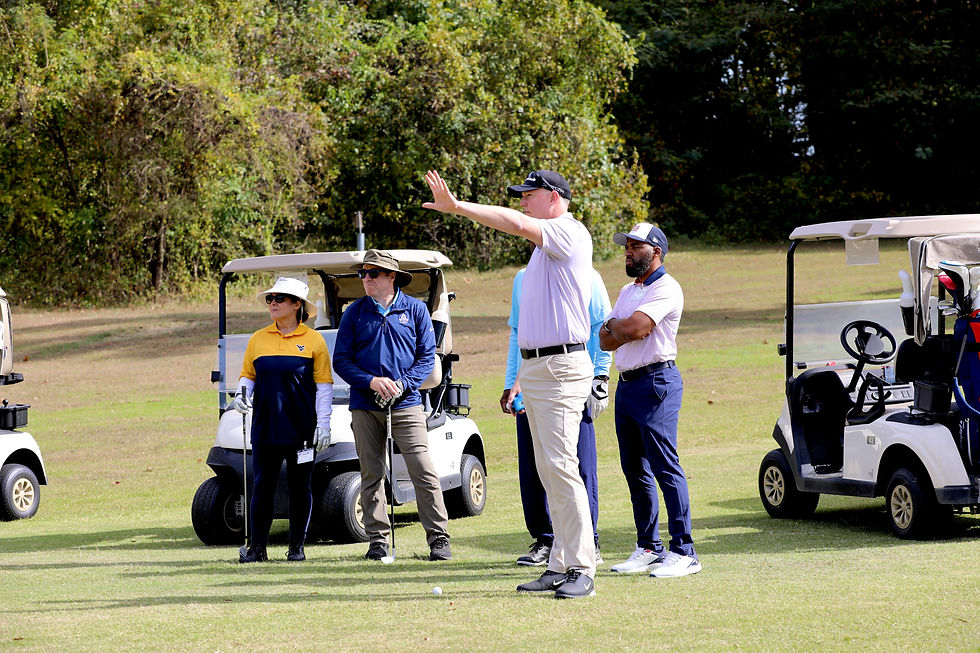
Links to Freedom clinics provide an opportunity to learn together. While an instructor may be working with one participant, the discussion can offer valuable information to everyone.
Listen to the questions being asked and the ideas being discussed. Another participant's experience may raise a question you hadn't considered or introduce something you'd like to explore in your own game.
You don't have to remember everything. Listen for the things that make you think:
“I wonder if that could help me?”
Observe
Golf is a visual game, and watching can be an important part of learning.
Pay attention to your instructors and fellow participants. You may see someone approaching a challenge differently, or you may discover an idea that you want to discuss with your instructor.
Observation isn't about copying another golfer. It's about recognizing possibilities and becoming more aware of your own game.
Ask
Don't be afraid to ask questions.
If you don't understand something, ask. If a recommendation seems different from what you've previously been taught, ask why. If you have an idea you'd like to explore, bring it to your instructor.
Your PGA or LPGA Professional wants to understand your experience. Your questions help create a better conversation about what you're seeing, feeling, and learning.
Record

This is where your Adaptive Golf Playbook begins to take shape.
During each session, write down a few things that stood out. What did you learn? What did your instructor notice? What questions remain? Was there something you tried that felt different or worked particularly well?
You don't need to write down everything. Focus on what is meaningful to your golf game.
A few notes can become a valuable reference as you continue through the Links to Freedom program.
Try

The next step is putting what you've learned into practice.
Something that makes sense during a group session may feel completely different when you try it yourself. That's part of learning.
Give yourself the opportunity to experiment and discover what works. Some things may work immediately. Others may take practice. Some may not work for you at all.
Each result gives you information.
Reflect
After you've had an opportunity to try something, think about the experience.
What worked? What didn't? What felt natural? What would you like to explore further?
Those observations become valuable when you return to your instructor. Instead of simply saying that something did or didn't work, you can explain what you experienced and begin a more meaningful conversation about your game.
Your instructor brings expertise in golf.
You bring expertise in yourself.
That combination is an important part of adaptive golf.

Build Your Adaptive Golf Playbook One Session at a Time
Your Adaptive Golf Playbook doesn't have to be completed in one day. Each Links to Freedom experience can add another piece.
A question from one session may lead to a discovery in the next. Something you observe may become something you want to try. An experience on the golf course may give you a new topic to discuss with your instructor.
Over time, those experiences begin to connect.
You become more familiar with your own game, more comfortable asking questions, and more involved in the decisions that shape your development as a golfer.
The Most Important Part of Your Adaptive Golf Playbook
The Adaptive Golf Playbook isn't really about taking notes.
It's about taking ownership of your learning.
Links to Freedom provides the environment, the professionals, and the opportunity to learn. Your role is to be engaged in that experience.
LISTEN • OBSERVE • ASK • RECORD • TRY • REFLECT
Then bring what you've discovered back to your next Links to Freedom session.
Eventually, those notes become more than a collection of golf tips. They become a record of your experiences, your questions, your discoveries, and the things that have helped you develop as a golfer.
Every session adds something.
Every question creates an opportunity.
Every experience becomes another page in your Adaptive Golf Playbook.

About the Author
Patrick Feindt, PGA, serves as Director of Strategic Development & Partnerships for Links to Freedom and is a PGA Professional dedicated to helping wounded, ill, and injured service members, veterans, and their families discover healing, confidence, and community through adaptive golf. Through the Beyond the Game blog series, Patrick shares insights from the lesson tee, the golf course, and the relationships that make adaptive golf so impactful.
← Previous Article | Next Article →
Explore More from Beyond the Game
Beyond the Game: How Adaptive Golf Is Changing Lives
Adaptive Golf Instruction: Meeting Every Player Where They Are
Building Confidence Through Consistency
The Power of Camaraderie in Adaptive Golf
Progress Replaces Doubt
It Takes More Than a PGA Professional
Veterans Helping Veterans
From the Practice Tee to the Golf Course
Build Your Own Adaptive Golf Playbook (Current)
Get Involved
Whether you're a wounded, ill, or injured service member, a veteran looking to reconnect through golf, a volunteer who wants to make a difference, or a community partner interested in supporting our mission, we'd love to welcome you to the Links to Freedom family.
Ready to learn more? Explore our programs, volunteer opportunities, and ways to support the mission of Links to Freedom.
🤝 Volunteer With Us \ ❤️ Support Our Mission \ ⛳ Become a Community Partner


Comments