


From the Practice Tee to the Golf Course

Taking What You've Learned at Links to Freedom into the Game
A Links to Freedom Blog by Patrick Feindt, PGA

You came to Links to Freedom for a reason. Maybe you had never played golf before. Maybe you played before your service and wanted to find your way back to the game. Or perhaps someone encouraged you to give adaptive golf a try because they thought you might enjoy it.
Whatever brought you to Links to Freedom, one thing brought us together: you wanted to learn how to play golf.
Learning golf doesn't happen entirely on the practice tee. At some point, you have to take what you've learned and bring it to the golf course.
The golf course provides something the practice area simply can't replicate. There are different lies, changing distances, uneven terrain, trees, bunkers, water, weather, and decisions that you never encounter when hitting the same shot over and over on the range.
This is where the learning really begins.
The Adaptive Golf Course Is Part of the Learning Process
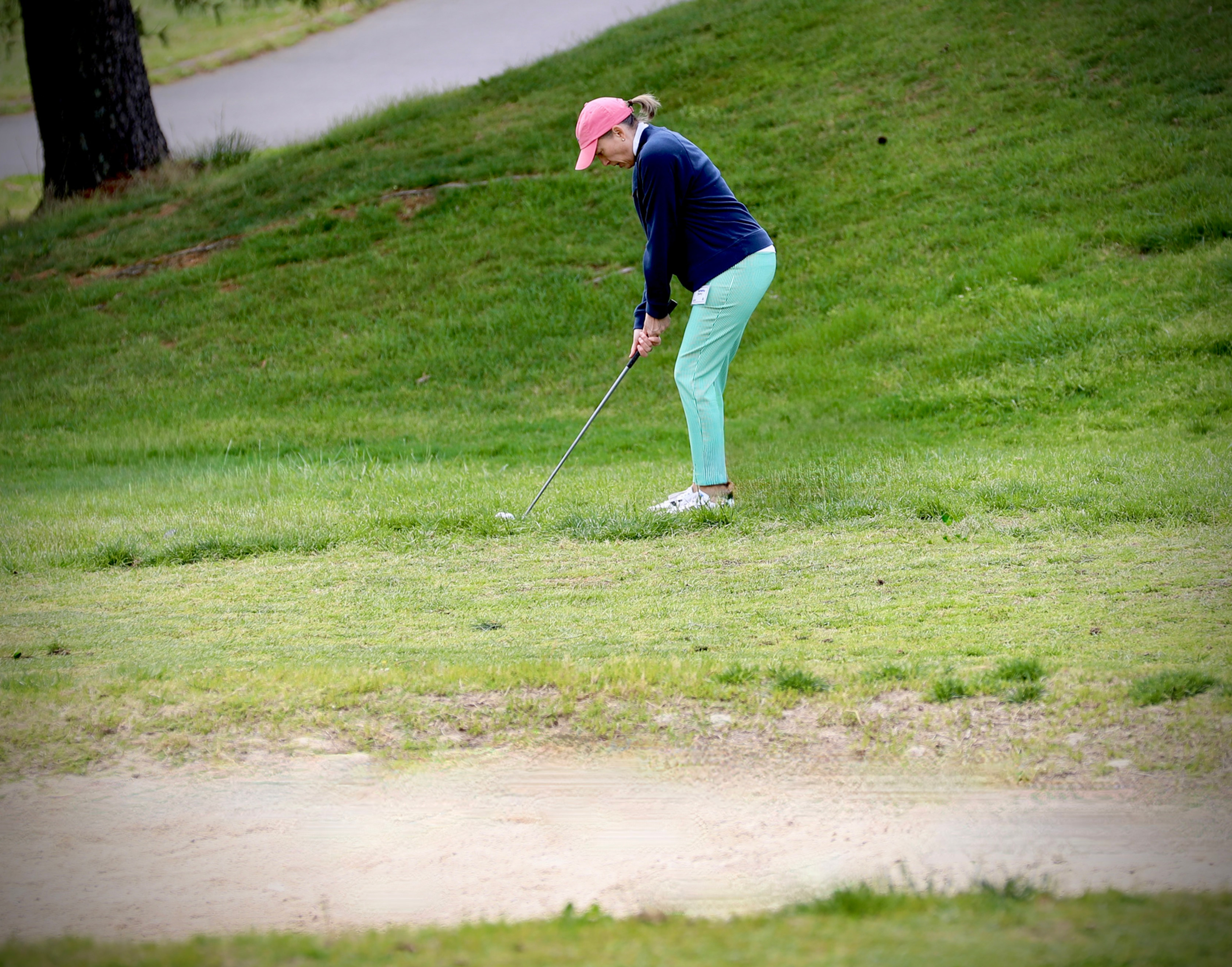
Your first round may not look anything like you imagined. You may hit some great shots and some that go somewhere completely unexpected.
That's okay.
In fact, that's golf.
Golf is a game of trial and discovery. Some of the best lessons come from the shots that don't go as planned. You learn what works for you, what doesn't, how your equipment performs in different situations, and how to adjust the next time you face a similar shot.
Every round gives you another opportunity to learn something about your game.
You don't have to have everything figured out before you get onto the course. The golf course is part of the learning process.
Take the Game Out There Together

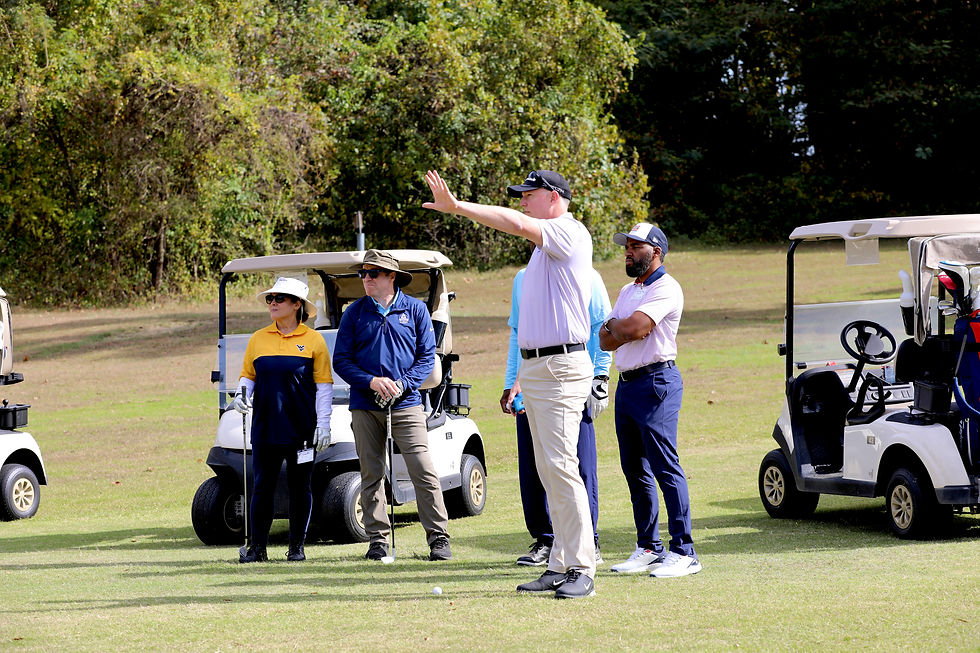
One of the best parts of taking your game to the course is sharing the experience with your peers.
Get out there together.
Play a round, try a scramble, laugh at the shots that don't go according to plan, and celebrate the ones that do. Watch how another participant approaches a shot and learn from their experience.
For adaptive golfers, there can be something particularly meaningful about playing alongside others who may understand some of the same challenges. You don't have to explain everything. Sometimes it's enough to simply be together, enjoying the game and spending time outside.
There is also something special about watching another Links to Freedom participant take what they learned and apply it on the course. Their progress can become an inspiration for another golfer who may still be wondering, "Can I really do this?"
Make the Course Work for You
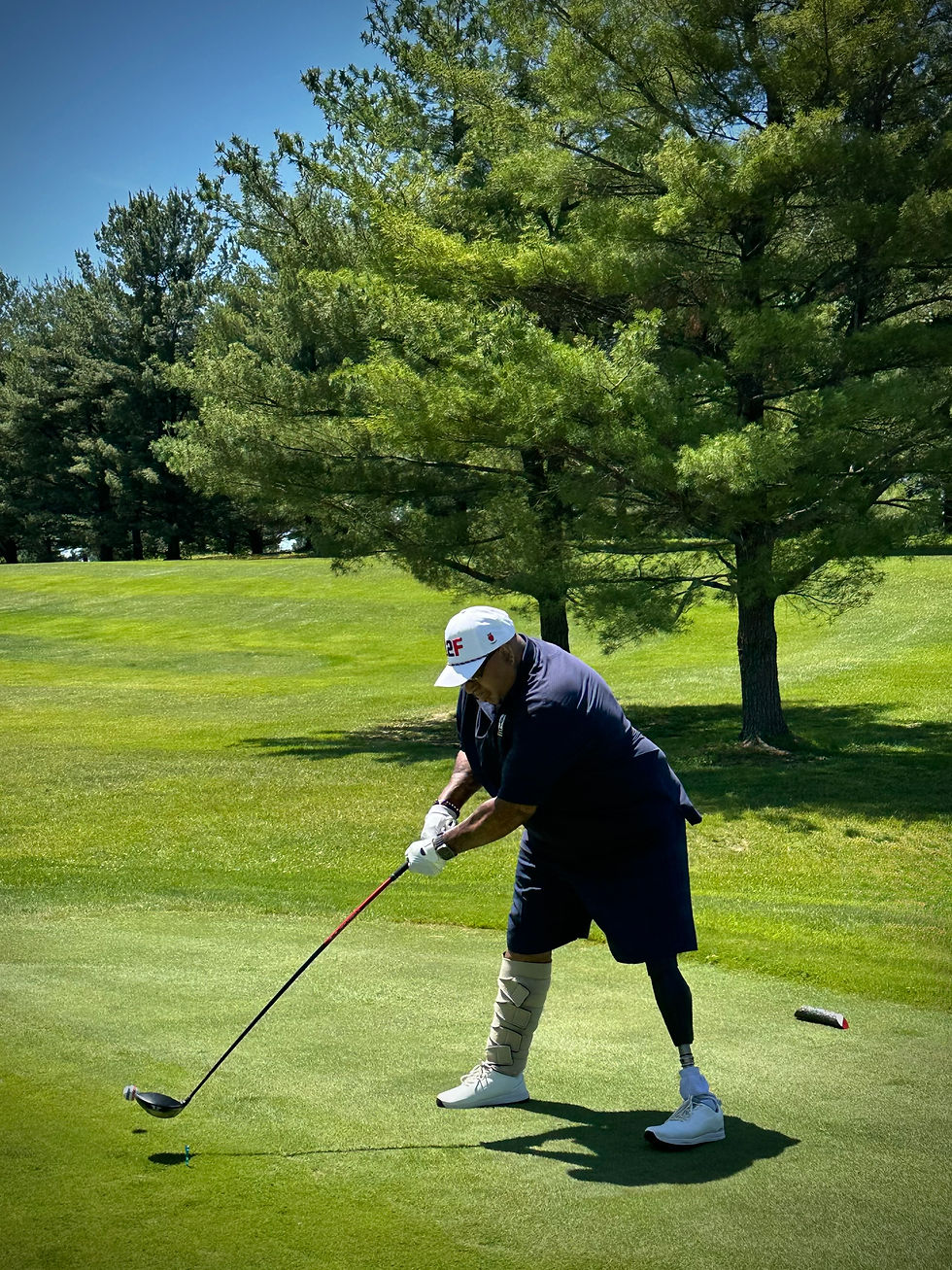
When you're learning, there is no reason to make the course harder than it needs to be.
Playing from the forward tees can make the game more approachable while still allowing you to experience the entire course. As your skills and comfort grow, you can challenge yourself from different tees.
The same philosophy applies to your equipment. You don't need fourteen clubs to enjoy a round. A driver or fairway wood, a hybrid, a couple of irons, a wedge, and a putter may be more than enough to get started.
The objective isn't to build the perfect golf bag—it's to get the clubs in your hands and get outside.
Set Yourself Up for a Good Day
I recommend arriving about an hour before your tee time, especially when you're new to playing.
Use that time to check in, get comfortable, prepare your cart or adaptive equipment, warm up, and hit a few shots.
Make sure you have plenty of golf balls, water, snacks, sunscreen, and whatever personal or adaptive equipment you need.
Comfort matters, too. Wear golf attire that allows you to move comfortably and a good pair of golf shoes that you can spend several hours wearing on the course.
And if you need a support team, bring them. A family member, caregiver, volunteer, or friend can help make the experience more accessible and enjoyable.

Learn the Rhythm of the Course
Once you get onto the course, let the round happen.
Most courses expect a round to move at a steady pace, often around four hours, depending on the course and conditions. One of the easiest ways to maintain that pace is simply to keep up with the group in front of you.
If you're still learning, a scramble can be a great way to experience the course without the pressure of playing every shot yourself. As you become more comfortable, you may decide you're ready to play your own ball.
That's part of the progression.
If you can play your own ball while keeping up with your group, go for it. Being prepared for your next shot, playing ready golf when appropriate, and being aware of where the others in your group are can keep the round moving without making golf feel rushed.
Keep your cell phone on silent, be respectful when others are hitting, and take care of the course whenever you can.
But don't lose sight of why you're there.
You're there to enjoy golf.
Experience More Than the Game
One of the greatest things about the game is that it gets you outside.
A golf course isn't simply a collection of 18 holes. It's an environment filled with things to experience.
You may notice the change in weather, wildlife along the fairway, the sound of the trees, the condition of the course, or simply the quiet that comes from being outdoors with a group of people who enjoy the same game.
Golf gives you the opportunity to step away from the routine of everyday life and spend several hours outside challenging yourself, learning something new, and enjoying the company of others.
That's why getting onto the golf course matters.

The Discovery Continues
You didn't come to Links to Freedom just to hit golf balls.
You came to discover what golf could become for you.
The golf course is where that discovery continues.
You will make mistakes. You will hit shots you didn't expect and probably find yourself in situations where you aren't sure what to do next.
That's okay.
Those moments are part of becoming a golfer. Learn from the mistake, try something different, and enjoy the next shot.
Somewhere along the way, you'll hit a shot that surprises you.
Maybe it's your first great tee shot.
Maybe it's a putt that drops when you didn't expect it.
Or maybe it's simply the feeling of standing on a beautiful golf course with your friends and realizing:
I'm playing golf.
Those are the moments that keep us coming back.

Get Out and Play
Get outside. Play with your peers. Learn from your mistakes. Experience the course. And most importantly, enjoy the journey.
The practice area gives you the foundation. The golf course gives you the opportunity to use it.
You don't have to wait until your game is perfect.
You just have to take the next step.
Get out there and play.
About the Author
Patrick Feindt, PGA, serves as Director of Strategic Development & Partnerships for Links to Freedom and is a PGA Professional dedicated to helping wounded, ill, and injured service members, veterans, and their families discover healing, confidence, and community through adaptive golf. Through the Beyond the Game blog series, Patrick shares insights from the lesson tee, the golf course, and the relationships that make adaptive golf so impactful.
← Previous Article | Next Article →
Explore More from Beyond the Game
Beyond the Game: How Adaptive Golf Is Changing Lives
Adaptive Golf Instruction: Meeting Every Player Where They Are
Building Confidence Through Consistency
The Power of Camaraderie in Adaptive Golf
Progress Replaces Doubt
It Takes More Than a PGA Professional
Veterans Helping Veterans
From the Practice Tee to the Golf Course (Current)
Get Involved
Whether you're a wounded, ill, or injured service member, a veteran looking to reconnect through golf, a volunteer who wants to make a difference, or a community partner interested in supporting our mission, we'd love to welcome you to the Links to Freedom family.
Ready to learn more? Explore our programs, volunteer opportunities, and ways to support the mission of Links to Freedom.
🤝 Volunteer With Us \ ❤️ Support Our Mission \ ⛳ Become a Community Partner


Comments