


The Power of Camaraderie in Adaptive Golf
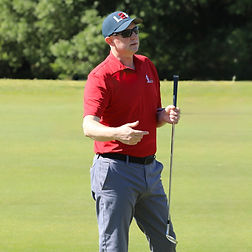
A Links to Freedom Blog by PGA Professional Patrick Feindt

As a PGA Professional, I've learned that some of the most meaningful moments in adaptive golf have nothing to do with scorecards.
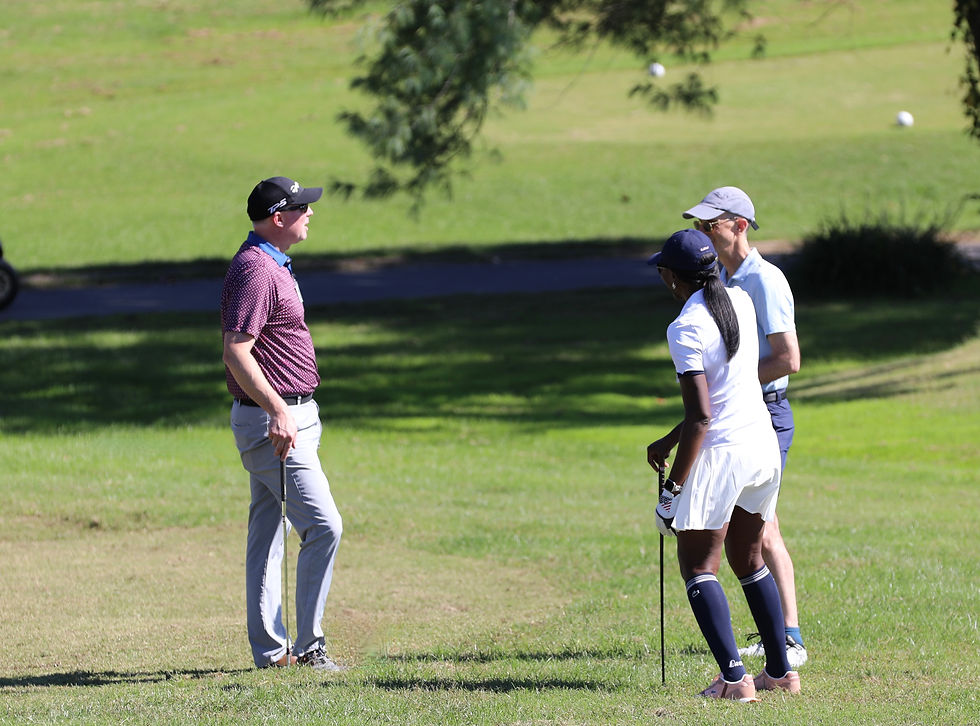
They happen in the conversations between shots.
In the encouragement shared on the practice tee.
In the smiles after a great shot.
And in the friendships that continue long after the round is over.
At Links to Freedom, golf is much more than a recreational activity. It creates an environment where wounded, ill, and injured service members, veterans, and their families reconnect with others who understand the value of teamwork, resilience, and shared experiences.
Throughout military service, trust and camaraderie become part of everyday life. When that chapter ends, many veterans find themselves searching for opportunities to reconnect with others who simply understand.
At Links to Freedom, golf becomes that common ground.
More Than Playing Golf

One of the first things participants notice isn't their golf swing.
It's the people around them.
Every clinic, lesson, and round creates opportunities to meet others, encourage one another, and celebrate progress together.
Whether someone is picking up a golf club for the first time or returning to the game after years away, they quickly discover they are part of a welcoming community.
Before long, golf becomes the reason everyone gathers and the friendships become the reason they keep coming back.
Why Connection Matters
Golf is uniquely suited to building relationships because of its pace.
Unlike many sports that demand constant action, golf naturally creates space for conversation. Participants spend several hours together sharing stories, encouraging one another, celebrating successes, and supporting each other through challenges.
Those conversations build trust.
Trust builds friendships.
Friendships create belonging.
As confidence grows on the golf course, many participants begin experiencing greater confidence away from it as well. The game becomes more than recreation—it becomes a pathway to reconnecting with others and rebuilding a sense of community.
The Role of Volunteers
Every successful adaptive golf program depends on dedicated volunteers.
While PGA and LPGA Professionals provide instruction, volunteers help create the welcoming atmosphere that allows participants to relax, engage, and enjoy the experience.
Sometimes that means helping with equipment.
Sometimes it's walking alongside a participant.
Sometimes it's simply listening.
The most effective volunteers understand that their role is not to coach. It is to encourage, support independence, and treat every participant with dignity, patience, and respect.
Those simple acts often become some of the most meaningful moments participants remember.
Our volunteers don't just support the program—they become part of the Links to Freedom family.
Relationships That Continue Beyond the Program
One of the greatest joys as an instructor is seeing participants return—not just to improve their golf game, but to reconnect with the friends they have made.
At Links to Freedom, many participants continue golfing together long after the clinic ends through our year-round Practice & Playing Program. Others return as volunteers, mentors, or Squad Leaders, helping welcome and encourage the next class of participants.
Watching someone who once walked into the program not knowing anyone become the person greeting a new participant at registration is one of the most rewarding transformations we witness.
That is what community looks like.
Golf Builds Community
Every lesson.
Every clinic.
Every round.
Every conversation.
They all help strengthen something much bigger than a golf game.
Veterans, volunteers, PGA and LPGA Professionals, family members, and community partners each play a role in creating an environment where participants feel welcomed, valued, and supported.
Golf may bring people together initially.
Relationships are what keep them connected.
Final Thoughts
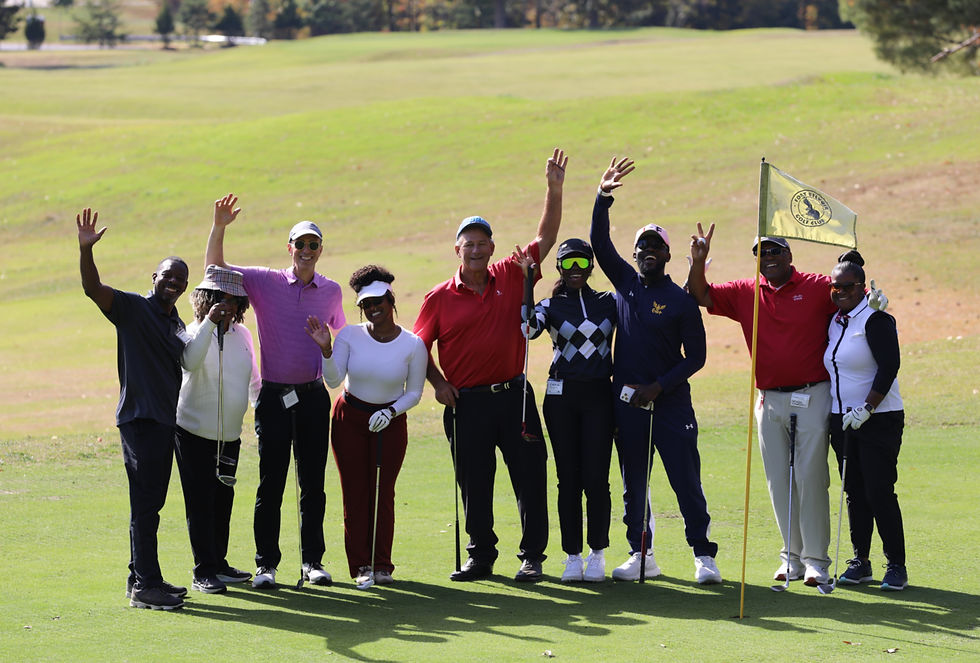
As a PGA Professional, I've had the privilege of watching participants arrive not knowing anyone and leave with friendships that continue long after the clinic has ended.
I've watched alumni become mentors.
Volunteers become trusted friends.
And golf become the reason people stay connected.
Those experiences have reinforced something I believe deeply:
Golf has the unique ability to bring people together.
At Links to Freedom, we are not simply teaching the game.
We are building confidence.
We are strengthening relationships.
We are creating a community where every participant knows they belong.
And sometimes, that sense of belonging becomes the most important outcome of all.
For many participants, the greatest takeaway isn't a better golf swing—it's knowing they've found a community they'll always be a part of.

Continue the Journey
Whether you're a wounded, ill, or injured service member or veteran looking to join a program, a volunteer who wants to make a difference, or a community partner interested in supporting our mission, we'd love to welcome you to the Links to Freedom family.
Learn more about our programs, volunteer opportunities, and ways to support our mission:


Comments